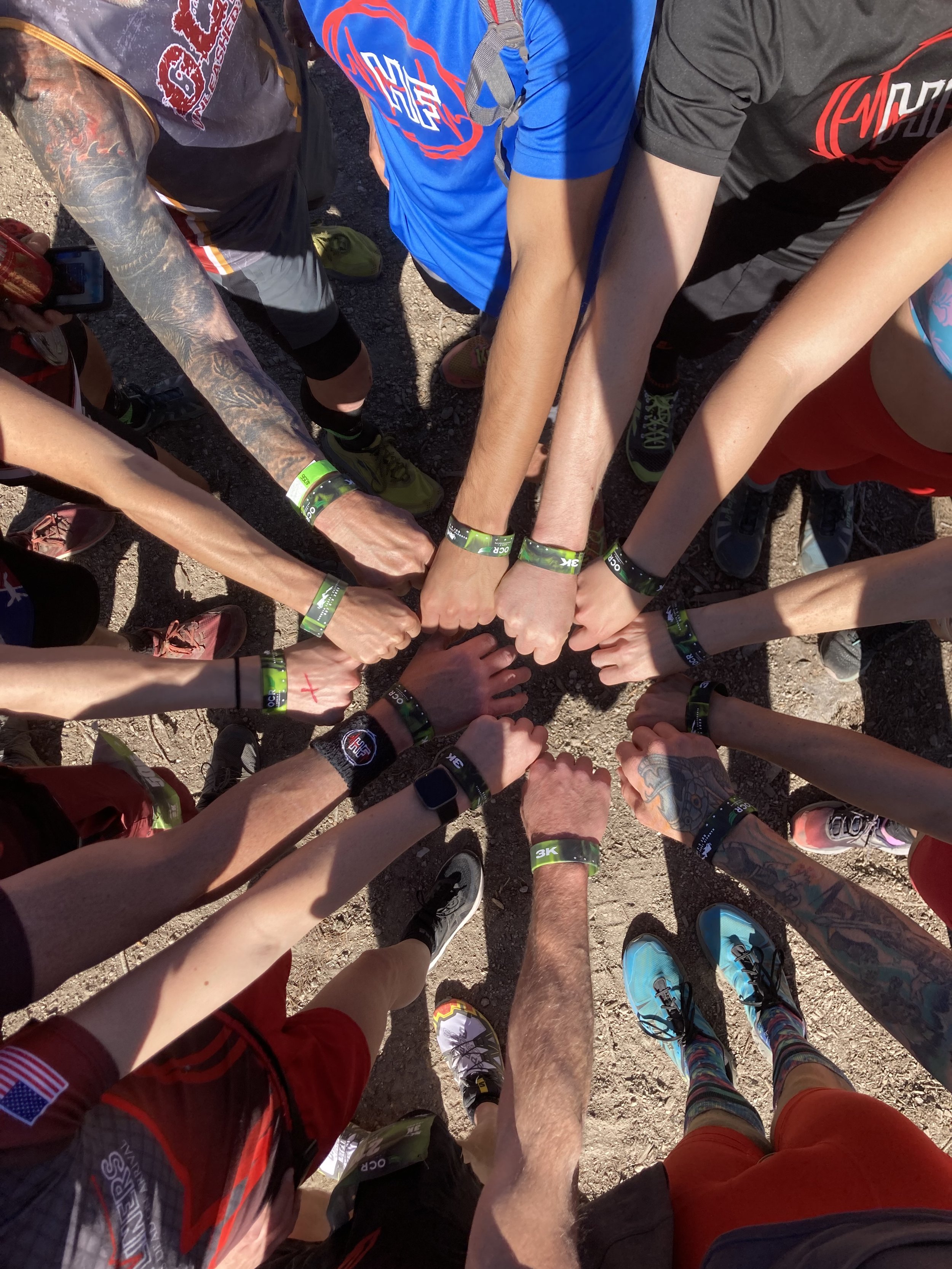
WHY OVER 13 YEARS OF OCR COACHING CAN’T BE COPIED
Every year, less obstacle course races appear. Most every CrossFit gym who once “offered” OCR classes (really only targeted at Spartan) have replaced them with the next big thing, HYROX. This leaves Ninja Warrior Gyms as the only option left who “also offer OCR classes.”
And that’s fine.
But HartFit ELEVATE OCR, or HartFit HYBRID & OcRx as we were known in Illinois, hasn’t ever just “offered” OCR classes that are anchored by more well known and established fitness regimens and sports, OCR is what we do, and since HYBRID Fitness like HYROX and DEKA are so closely linked to OCR, we’ve been one of the few training centers to specialize in what many others only view as a trend or a fad.
When your life’s work is OCR, many other gyms have looked to us for ideas to keep their own programs interesting.
I mean, they haven’t exactly asked for our help, they usually get just close enough to us that they can see what we’re doing, utilize resources they previously were ignorant of even existing, and then try to imitate what it is we are doing.
It’s interesting, because most of these groups operate as outliers to already established CrossFit or Ninja gyms they didn’t create, founded or financed and exist only due to the resources provided by their host, not recourses they themselves have ever had the courage to acquire through sacrifice and dedication, the things the sport they claim to be coaching, is supposed to be about.
But there is one thing that cannot be bought, copied, borrowed, or recreated overnight:
Experience.
At HartFit ELEVATE OCR, we’ve been coaching obstacle course racing athletes since 2013. That’s over a decade of watching athletes succeed, fail, adapt, improve, podium, quit, come back, and ultimately discover what they’re truly capable of.
You can copy obstacles.
You can’t copy experience.
OCR Isn’t Just Obstacles
One of the biggest misconceptions in OCR training is that success comes from obstacle proficiency alone.
It doesn’t.
If it did, every ninja athlete would dominate each type in the vast variety of OCR races.
The reality is that OCR is a unique blend of:
Running endurance
Grip strength
Carry capacity
Obstacle technique
Mental toughness
Pacing strategy
Nutrition
Terrain management
Problem solving under fatigue
Teaching someone how to swing across their first Level 1 Spartan Multi-Rig is easy.
Teaching someone how to hit that Muti-Rig after 10 miles of climbing, carrying a sandbag, battling cramps, and questioning every life decision they’ve ever made is something entirely different.
That understanding only comes from years of experience.
We’ve Seen the Mistakes Before
Since 2013, we’ve watched athletes make nearly every mistake possible.
Starting too fast.
Overtraining.
Ignoring grip strength.
Neglecting carries.
Obsessing over speed while lacking durability.
Treating obstacle training like a circus act instead of a race skill. (AKA “I only do obstacles during open gym”)
The advantage of coaching thousands of workouts and hundreds of athletes isn’t that we know everything.
It’s that we’ve already seen what doesn’t work.
Most athletes learn from their mistakes.
Great coaches help athletes avoid them in the first place.
The Obstacles Change. Principles Don’t.
Over the years we’ve watched obstacles come and go.
New trends emerge every season.
But the principles that create successful OCR athletes remain remarkably consistent.
Strong grip.
Efficient movement.
Aerobic fitness.
Carrying strength.
Resilience.
Mental toughness.
Technical efficiency.
Adaptability.
The athlete who masters those principles remains competitive regardless of what obstacle appears next.
That’s what experience teaches.
Technique Matters More Than Strength
One lesson repeated thousands of times over the last decade is this:
The strongest athlete is rarely the most efficient athlete.
We’ve watched smaller athletes outperform stronger athletes because they understood body positioning.
We’ve watched athletes save enormous amounts of energy simply by learning how to use their hips correctly.
We’ve watched athletes who couldn’t complete obstacles suddenly succeed after a minor technical adjustment.
Technique isn’t flashy.
It’s effective.
And teaching technique requires more than simply completing an obstacle yourself.
It requires years of observing different body types, different strengths, different weaknesses, and different learning styles.
Coaching Isn’t About Today
Anyone can create a hard workout.
Creating a workout that builds an athlete six months from now is coaching.
Creating a workout that prepares an athlete for a Beast, an Ultra, a mountain race, or OCR World Championships is coaching.
Knowing when to push.
Knowing when to back off.
Knowing when an athlete needs confidence.
Knowing when an athlete needs accountability.
Those lessons are learned through years of working with real people.
Not through social media.
Not through YouTube.
Not through a weekend certification.
Results Leave Clues
Since 2013, athletes from our programs have earned podium finishes across:
Spartan Race
Savage Race
OCR World Championships
Frontline OCR
Tough Mudder
Highlander Assault
Abominable Snow Race
Endurance events
Ultra-distance races
But the accomplishments we’re most proud of aren’t the podiums.
They’re the people who thought they couldn’t do this.
The parent who finally gained confidence.
The athlete who conquered their fear of heights.
The person who lost weight and found purpose.
The beginner who crossed a finish line they never thought possible.
Those victories matter just as much.
Why Experience Matters at HartFit ELEVATE OCR
At HartFit ELEVATE OCR, we’re not teaching OCR based on what we watched online last week.
We’re teaching from over a decade of coaching, competing, failing, learning, adapting, and refining.
We’ve coached athletes from complete beginners to world championship podium teams.
We’ve trained through trends.
We’ve trained through obstacle changes.
We’ve trained through the rise and decline of various fitness fads.
And after all these years, one truth remains:
Experience matters.
Because obstacles can be purchased.
Courses can be built.
Workouts can be copied.
But 13 years of coaching knowledge, athlete development, race experience, and lessons learned cannot.
If you’re looking for obstacle course race training in Colorado Springs, Peyton, Falcon, Elbert, or the surrounding Eastern Plains, don’t just look for obstacles.
Look for experience.
Because when race day arrives, experience is the one thing your competition can’t copy.
⸻
Train with HartFit ELEVATE OCR in Peyton, Colorado and learn from over a decade of OCR coaching experience. Whether you’re preparing for your first Spartan Race, chasing a podium finish, or simply looking to become stronger and more capable, our OCR PULSE Simulations and obstacle-specific coaching are designed to help you succeed.
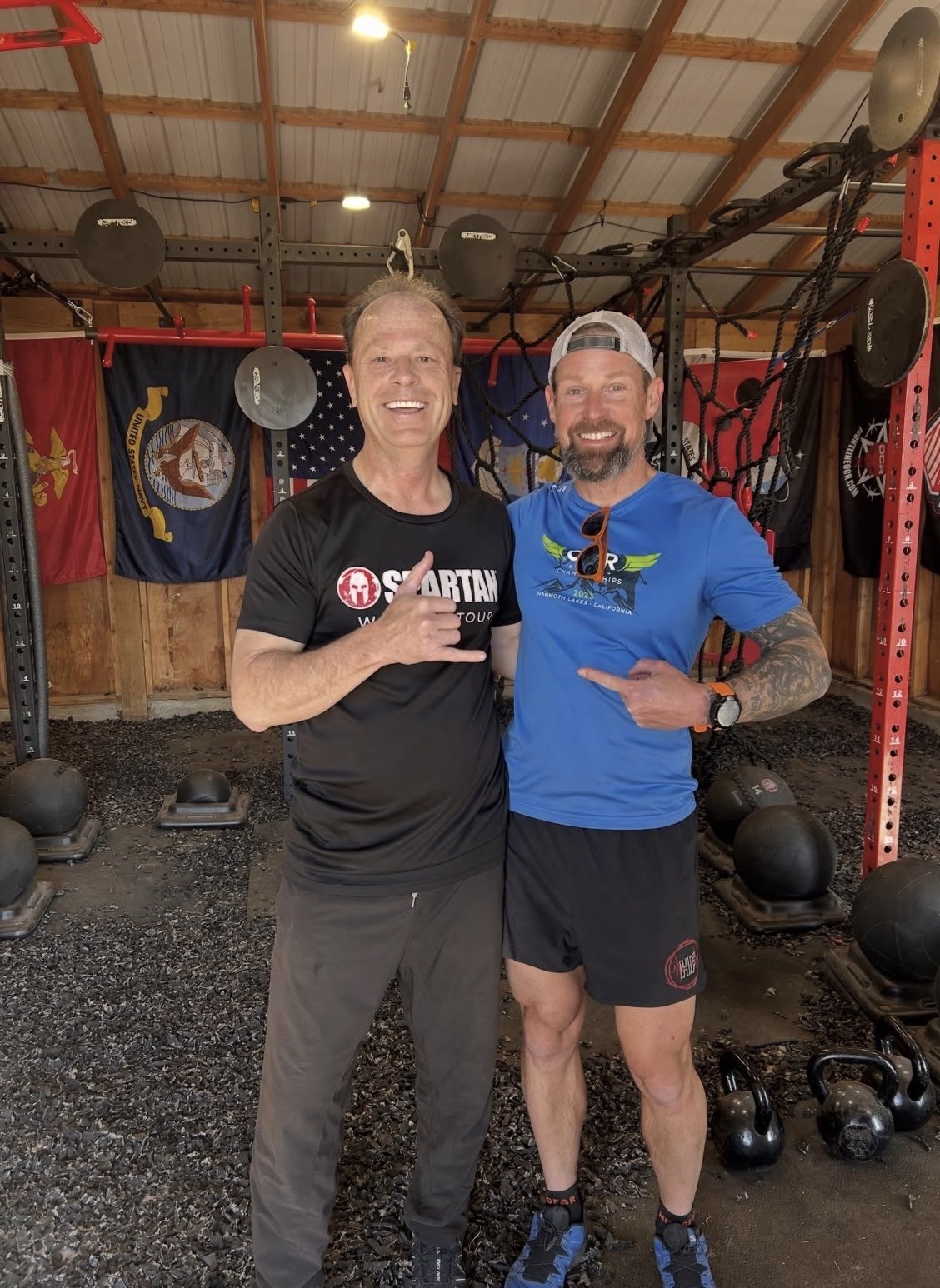
GETTING READY TO GET READY
One of the most common things I hear is:
“I’m going to come train with you as soon as I get in a little better shape.”
Or:
“I just need to lose a few pounds first.”
“I need to start running again.”
“I need to get stronger before I show up.”
“I need to get ready.”
Every time I hear it, I have the same thought:
This is where you get ready.
You don’t wait until you’re in shape to join a gym.
You don’t wait until you’re stronger to start strength training.
You don’t wait until you’re confident to begin building confidence.
You don’t wait until you’re prepared to start preparing.
That’s like saying you’re going to take swimming lessons as soon as you learn how to swim.
The Myth of the Perfect Starting Point
Many people have this image in their head that everyone else at a gym is already fit, already capable, already confident.
The reality is that nearly every successful athlete, every healthy adult, every person who eventually transformed their life started exactly where you are right now.
Unprepared.
Uncertain.
A little nervous.
Maybe even embarrassed.
The difference is they started anyway.
Not because they were ready.
Because they understood that readiness is created through action.
Nobody Walks Through the Gate Finished
At HartFit, I’ve worked with people who had never climbed a rope, carried a sandbag, flipped a tire, or run more than a few hundred yards without stopping.
I’ve worked with people recovering from injuries, struggling with weight gain, battling self-doubt, or simply trying to find their way back to fitness after years away.
None of them arrived as the finished product.
They arrived as works in progress.
And that’s exactly what they were supposed to do.
You’re Not Signing Up Because You’re Fit
You’re signing up because you want to become fit.
You’re not joining because you’re already strong.
You’re joining because you want to become stronger.
You’re not showing up because you’re confident.
You’re showing up because confidence is built one small victory at a time.
The first wall.
The first rope climb.
The first mile.
The first workout you thought you couldn’t finish but somehow did.
Those moments don’t happen before you start.
They happen because you start.
The Cost of Waiting
The problem with “getting ready to get ready” is that it often turns into months.
Then years.
Then one day you realize you’ve spent a long time waiting for motivation that never arrived.
The perfect time doesn’t exist.
The perfect fitness level doesn’t exist.
The perfect circumstances don’t exist.
Life is always busy.
Work is always demanding.
The kids always need something.
The weather is never quite right.
There will always be a reason to wait.
And every day you wait is another day you’re not moving toward the person you want to become.
That’s What We’re Here For
HartFit ELEVATE OCR isn’t a place for people who already have it all figured out.
It’s a place for people who are willing to start.
Whether your goal is to lose weight, improve your health, tackle an obstacle course race, keep up with your kids, prepare for the mountains, or simply feel capable again, you don’t need to get ready first.
That’s our job.
We’ll help you build the fitness.
We’ll help you learn the skills.
We’ll help you develop the confidence.
We’ll help you get ready.
Stop Getting Ready to Get Ready
If you’ve been telling yourself you’ll come train once you’re in better shape, consider this your permission to stop waiting.
You don’t need to arrive fit.
You don’t need to arrive fast.
You don’t need to arrive strong.
You just need to arrive.
Because the truth is simple:
You don’t get ready and then start training.
You start training, and that’s how you get ready.
At HartFit, we’re not waiting for the finished version of you.
We’re here to help build it.
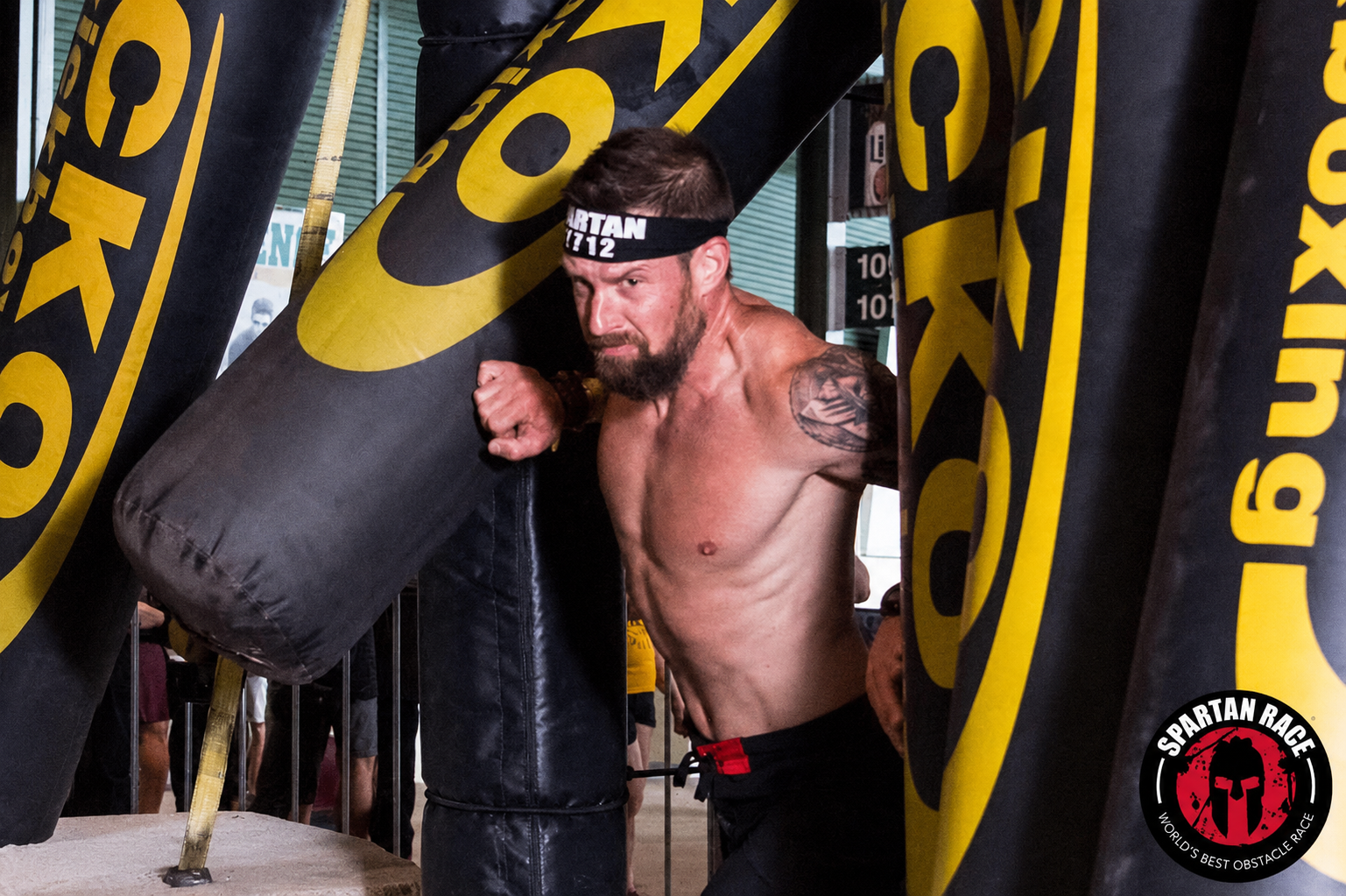
BREAKING BARRIERS: WHY REAL PROGRESS HAPPENS WHEN YOU STOP AVOIDING OBSTACLES
If you’re looking for a fitness program that never challenges you, never pushes your limits, and never asks you to do anything uncomfortable, HartFit ELEVATE OCR probably isn’t for you.
Because the truth is this:
Growth lives on the other side of obstacles.
At HartFit ELEVATE OCR, our entire training philosophy is built around helping people break barriers—physical, mental, and emotional—through purposeful adversity.
And unlike traditional gyms where progress is measured by how much weight you lift or how many calories you burn, our athletes learn something far more valuable:
How to keep moving forward when things get difficult.
The Biggest Barriers Aren’t Physical
Most people assume their biggest obstacle is fitness.
It’s not.
It’s doubt.
It’s fear of failure.
It’s believing you’re too old, too overweight, too inexperienced, too busy, or too out of shape to start.
We’ve watched complete beginners stand at the bottom of a rope climb convinced they could never get to the top.
We’ve watched adults stare at an 8-foot wall believing it was impossible.
We’ve watched people who couldn’t run a quarter mile eventually complete obstacle course races, Spartan events, mountain hikes, and endurance challenges they once thought were reserved for elite athletes.
The obstacle was never the wall.
The obstacle was the story they were telling themselves.
Why Obstacle-Based Training Works
Life doesn’t happen in perfect conditions.
Your job won’t always be easy.
Your kids won’t always cooperate.
The weather won’t always be perfect.
Your motivation won’t always show up.
So why do so many fitness programs only work when everything goes exactly according to plan?
At HartFit ELEVATE OCR, we intentionally train in ways that build adaptability.
Our athletes climb.
They crawl.
They carry.
They run.
They lift.
They balance.
They navigate terrain.
They problem solve.
They fail.
Then they try again.
Every obstacle presents a challenge that requires both physical and mental effort.
Every success creates confidence that carries over into daily life.
Breaking Physical Barriers
Many people arrive believing they need to “get in shape first.”
That’s backwards.
This is where you get in shape.
Our OCR PULSE Simulations and obstacle-based fitness classes are scalable for beginners while still challenging experienced athletes.
Whether you’re:
Trying to lose weight
Returning to fitness after years away
Training for a Spartan Race
Preparing for a DEKA event
Looking to improve overall health
Building strength for ranch work, farming, military service, or first responder duties
Our programming meets you where you are and helps you progress safely.
The goal isn’t perfection.
The goal is progress.
Breaking Mental Barriers
Every obstacle teaches a lesson.
Miss the rig?
Try again.
Fall off the monkey bars?
Try again.
Can’t make it over the wall?
Find a different strategy.
In a world that encourages people to quit whenever something becomes difficult, obstacle course training teaches persistence.
That’s one reason so many military personnel, first responders, farmers, ranchers, and hardworking professionals thrive in this environment.
The skills transfer directly into life.
You learn that setbacks aren’t failures.
They’re feedback.
Breaking Through the Comfort Zone
Comfort is appealing.
Growth is earned.
Most people already know what happens when they stay comfortable.
Nothing changes.
Obstacle-based training forces adaptation.
Every new challenge creates new capabilities.
Every successful obstacle builds confidence.
Every workout becomes proof that you’re capable of more than you thought.
That’s why so many people discover they can accomplish far more than they imagined once they stop avoiding challenges and start embracing them.
Why HartFit ELEVATE OCR Is Different
We’re not a traditional gym.
We’re not a treadmill room.
We’re not a place where people stare at televisions while counting reps.
We are an outdoor obstacle course fitness facility in Peyton, Colorado designed to help ordinary people accomplish extraordinary things.
Our athletes train in the elements.
They learn practical movement skills.
They build strength, endurance, resilience, and confidence.
Most importantly, they develop the ability to face obstacles head-on instead of avoiding them.
Because the obstacle isn’t the enemy.
The obstacle is the opportunity.
Ready to Break Your Own Barriers?
Whether you’ve never exercised a day in your life or you’re preparing for your next Spartan Race, the principles remain the same:
Show up.
Do the work.
Face the obstacle.
Grow stronger.
At HartFit ELEVATE OCR, we’re not just building better athletes.
We’re building more capable humans.
If you’re ready to discover what you’re truly capable of, join us for an OCR PULSE Simulation or Kids OCR Class and start breaking barriers one obstacle at a time.
HartFit ELEVATE OCR — Where Challenges Become Confidence and Obstacles Become Opportunities.
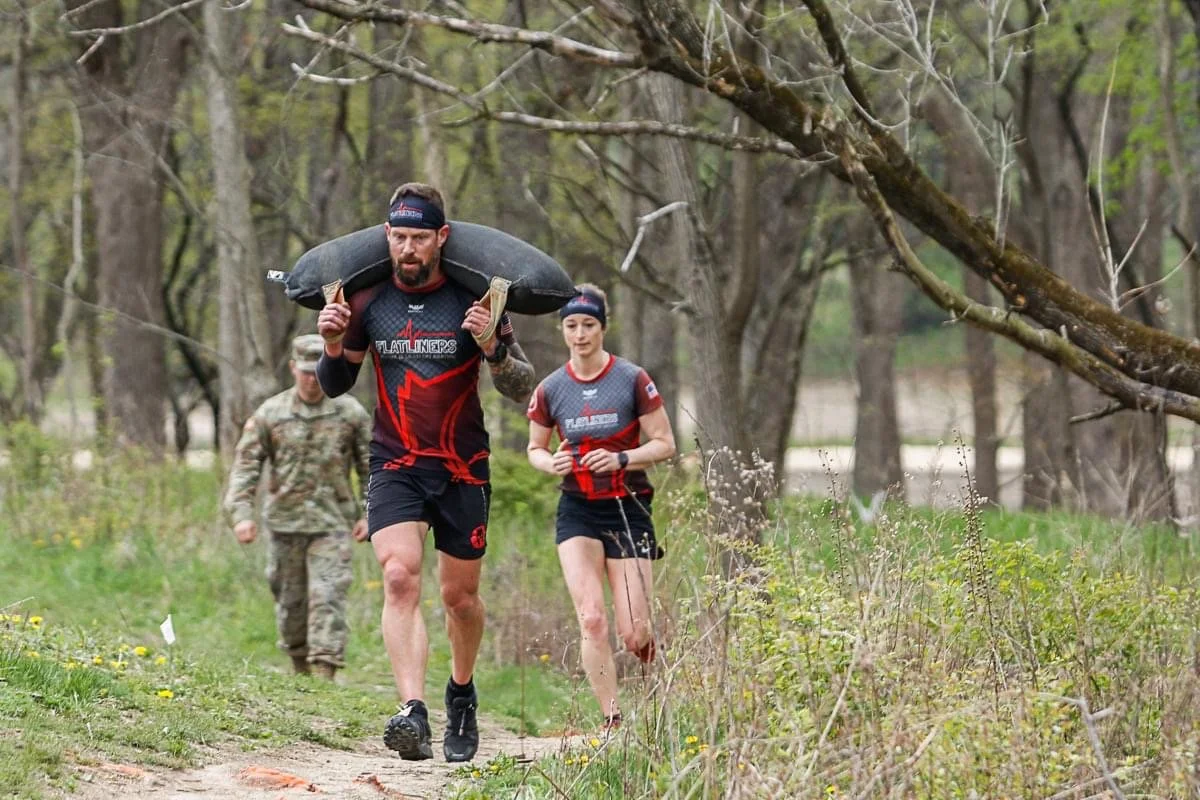
Why Farmers, Ranchers, Rodeo Athletes, and Rural Families Benefit from Obstacle Course Training
In places like Peyton, Falcon, Elizabeth, and across Elbert County, life looks a little different than it does in the city.
Many people here don’t spend their days sitting behind a desk.
They throw hay.
They move livestock.
They repair fences.
They carry feed.
They stack lumber.
They work long hours in the sun, wind, snow, and mud.
Some compete in rodeo. Others spend weekends helping neighbors, managing acreage, caring for horses, or tackling projects that never seem to end.
The reality is that rural living demands a level of physical capability that many modern fitness programs simply don’t prepare people for.
At HartFit ELEVATE OCR, that’s exactly why we believe obstacle course training and hybrid fitness are such a natural fit for the people of eastern El Paso County and Elbert County.
Real Strength for Real Life
Traditional gyms often focus on isolated muscle groups and machines.
While there’s certainly value in strength training, life on a ranch doesn’t happen while sitting on a bench press.
Real-world strength comes from:
Carrying awkward objects
Lifting from the ground
Climbing
Pulling
Pushing
Walking under load
Maintaining balance on uneven terrain
Sound familiar?
That’s because it’s exactly what many farmers and ranchers do every day.
Obstacle course training develops practical strength that transfers directly into daily life. Carrying a bucket brigade, flipping a tire, climbing a rope, or traversing a rig challenges the body in ways that resemble real-world work far more closely than many traditional gym exercises.
Building a Stronger Engine
One of the biggest misconceptions in rural communities is that physical labor alone automatically creates fitness.
While hard work certainly builds toughness, it doesn’t always build cardiovascular endurance.
Many farmers and ranchers can work hard for short bursts but find themselves exhausted after climbing a mountain, chasing livestock over distance, hiking at elevation, or participating in a long event.
Our OCR PULSE Simulations combine running, carries, obstacles, and conditioning to build what athletes often call an “engine.”
That engine matters whether you’re:
Gathering cattle
Hunting in the mountains
Hiking with family
Competing in rodeo
Running a Spartan Race
Simply wanting more energy throughout the day
Injury Prevention Matters
A back injury doesn’t care whether you’re an athlete or a rancher.
Neither does a shoulder injury.
Or a knee injury.
Many rural residents spend years performing repetitive tasks without addressing mobility, balance, grip strength, or joint stability.
The result is often chronic aches and pains that eventually limit what people can do.
Obstacle course training challenges movement in multiple planes while developing:
Core strength
Grip strength
Balance
Coordination
Mobility
Stability
The goal isn’t just to become stronger.
It’s to remain capable for decades.
Rodeo Athletes Need More Than Courage
Anyone who has ever competed in rodeo understands that courage isn’t the limiting factor.
Fitness is.
Whether you’re competing in barrel racing, roping, steer wrestling, bronc riding, or simply spending long days around livestock, your body needs to be able to perform when you’re tired.
Obstacle course training develops:
Explosive power
Grip endurance
Coordination
Balance
Cardiovascular conditioning
Mental toughness
The same qualities that help athletes overcome obstacles often help rodeo competitors perform at a higher level when the pressure is on.
Teaching Kids to Be Capable
Many rural families are looking for alternatives to excessive screen time.
They want their children outside.
They want them moving.
They want them learning confidence through action rather than through a device.
That’s one reason our Kids OCR Class has become such an important part of what we do.
Obstacle course training teaches children:
Problem-solving
Resilience
Physical literacy
Confidence
Teamwork
Persistence
Most importantly, it teaches them that overcoming challenges is part of life.
Built for Colorado Living
Colorado isn’t flat.
The weather isn’t always comfortable.
The conditions aren’t always perfect.
That’s exactly why we train outdoors.
Life doesn’t stop because it’s windy.
Livestock still need care.
Fences still need repair.
Work still needs to get done.
Training outdoors helps prepare people for the realities of the environment they actually live in rather than the controlled conditions of an air-conditioned building.
More Than a Workout
At HartFit ELEVATE OCR, we’re not trying to create professional athletes.
We’re helping people become more capable versions of themselves.
Whether you’re a farmer, rancher, rodeo competitor, hunter, first responder, parent, or someone who simply wants to stay strong enough to keep doing the things you love, obstacle course training provides a unique way to build strength, endurance, resilience, and confidence.
Because out here, fitness isn’t about looking good in front of a mirror.
It’s about being ready when life asks something difficult of you.
And around Peyton, Falcon, Elizabeth, and Elbert County, life tends to ask quite a bit.
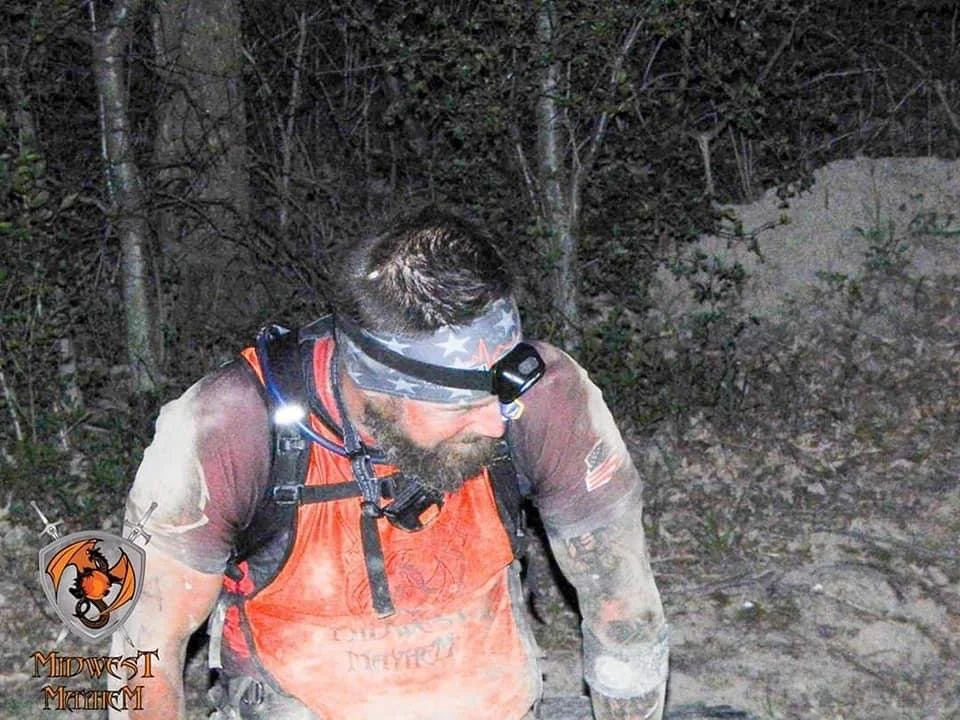
OCR HANDED THE KEYS TO THE WRONG PEOPLE
Obstacle Course Racing was never supposed to be a sport.
At least not in the way we treat it today.
It wasn’t built for specialists. It wasn’t designed for people with perfectly calibrated nutrition plans, recovery protocols, carbon-plated shoes, and a team of experts helping them shave thirty seconds off a race.
OCR was supposed to be a challenge.
A test.
A place where ordinary people could discover that they were capable of extraordinary things.
The original appeal wasn’t that it rewarded talent.
It was that it rewarded grit.
You didn’t have to be the fastest runner.
You didn’t have to be the strongest athlete.
You didn’t have to look like you belonged on the cover of a fitness magazine.
You just had to refuse to quit.
That was the magic.
The accountant who couldn’t do a pull-up.
The veteran carrying old scars.
The mom trying to lose fifty pounds.
The guy who had spent years making bad decisions and was finally trying to become someone better.
OCR belonged to those people.
And somehow, we handed the keys to someone else.
Today, much of the conversation revolves around optimization.
What’s the best supplement?
What’s the ideal fueling strategy?
What recovery boots should I buy?
How many grams of protein?
Which watch?
Which shoes?
Which electrolyte mix?
Which recovery protocol?
None of those things are inherently bad.
Performance matters.
Preparation matters.
Elite athletes should absolutely pursue every advantage available to them.
But somewhere along the way, the sport stopped celebrating resilience and started worshipping optimization.
We began acting as though success comes from having everything perfectly arranged.
Life doesn’t work that way.
The obstacle isn’t always going to be set up exactly how you practiced.
The weather isn’t always going to cooperate.
Your sleep won’t always be perfect.
The race won’t always be fair.
The world certainly isn’t.
And that’s where OCR was supposed to shine.
Because OCR wasn’t teaching people how to perform when everything went right.
It was teaching people how to keep moving when everything went wrong.
What happens when the recovery boots aren’t available?
What happens when the protein shake is gone?
What happens when the supplements run out?
What happens when the gym closes?
What happens when life punches you in the mouth and your carefully crafted plan disappears overnight?
Those are the moments that define people.
Not the podium.
Not the Instagram post.
Not the race result.
The moments when you have every reason to quit and keep going anyway.
That’s what OCR used to represent.
And maybe that’s why I still believe outdoor OCR training matters more than ever.
Because when the grid goes down, nobody is going to care about your treadmill splits.
Nobody is going to care about your perfectly climate-controlled indoor track.
Nobody is going to care how many recovery tools you own.
But being able to climb a mountain?
Carry weight over uneven terrain?
Navigate discomfort?
Function when you’re cold, tired, hungry, and frustrated?
Those things still matter.
Those things have always mattered.
The carefully manicured athlete may perform better when every variable is controlled.
The grinder performs when nothing is.
History has always rewarded adaptability over comfort.
The pioneer crossing a mountain range.
The soldier carrying a pack.
The first responder working through exhaustion.
The parent doing whatever it takes to provide for their family.
None of them succeeded because conditions were ideal.
They succeeded because they learned to operate despite adversity.
OCR once celebrated that mindset.
The obstacle wasn’t the wall.
The obstacle wasn’t the rope.
The obstacle wasn’t the bucket carry.
The obstacle was the voice in your head telling you to stop.
And the lesson was simple:
Keep moving.
Figure it out.
Adapt.
Overcome.
Maybe the future of OCR isn’t found in making the sport more polished.
Maybe it’s found in remembering why people fell in love with it in the first place.
Not because it was easy.
Not because it was optimized.
Not because it was comfortable.
But because it reminded ordinary people that they were far more capable than they believed.
And in a world increasingly designed to eliminate hardship, that lesson may be more valuable than ever.
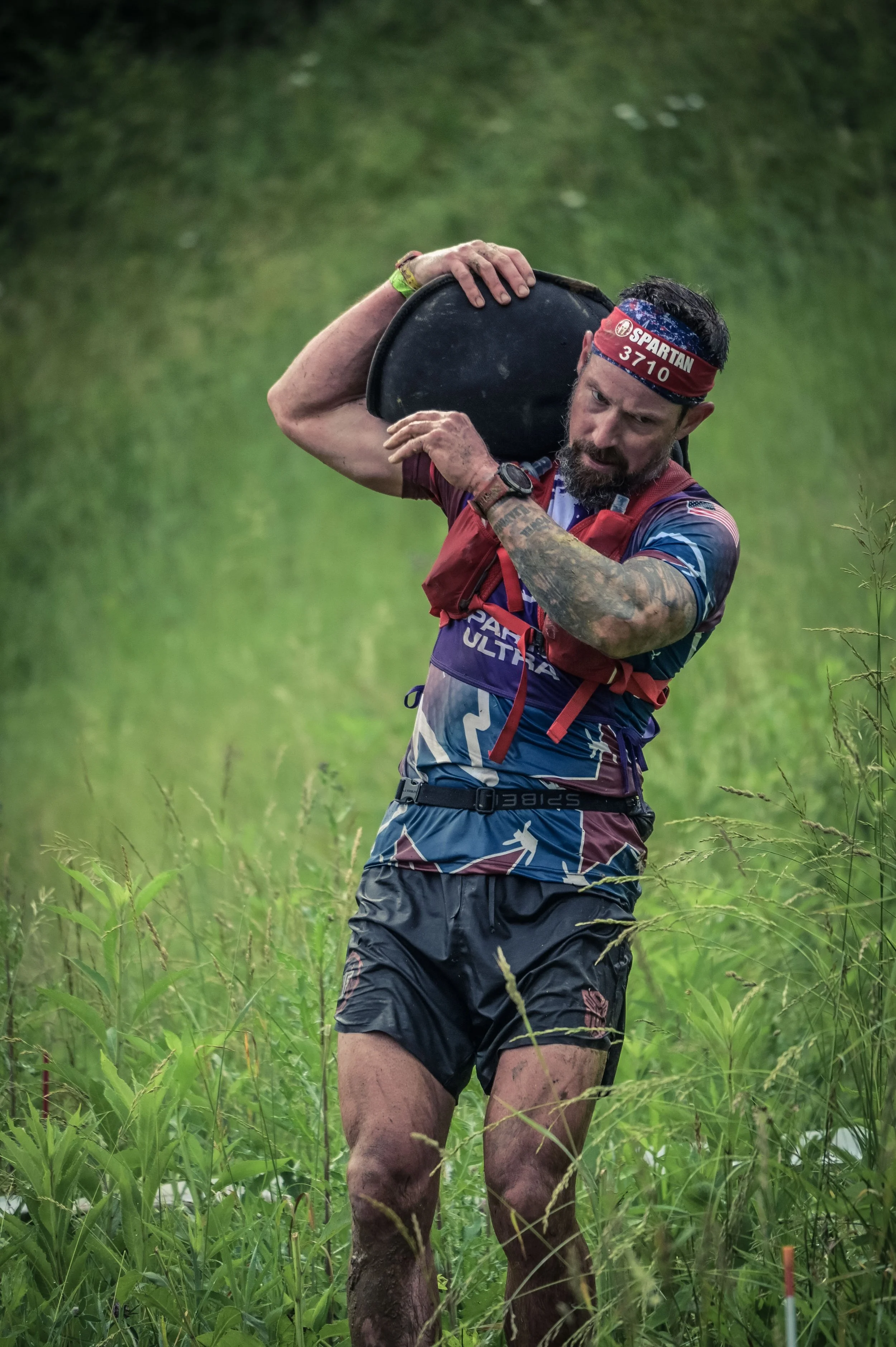
WHY FIRST RESPONDERS AND MILITARY PERSONNEL IN COLORADO SPRINGS NEED MORE THAN A GYM
Colorado Springs and El Paso County are home to one of the largest military and first responder populations in the nation.
Between Fort Carson, Peterson Space Force Base, Schriever Space Force Base, local law enforcement agencies, firefighters, EMTs, and countless veterans, our community is built on people whose jobs demand far more than looking fit in a mirror.
The problem is that many fitness programs are designed for aesthetics rather than performance.
A first responder doesn’t care how much someone can bench press if they can’t drag a victim to safety.
A soldier doesn’t benefit from spending an hour isolated on machines if they struggle carrying equipment over uneven terrain.
Real-world performance requires strength, endurance, mobility, coordination, balance, grip strength, and the ability to perform under fatigue.
That’s exactly why we built HartFit ELEVATE OCR.
Tactical Athletes Need Tactical Training
The fitness industry has increasingly adopted the term “tactical athlete” to describe military personnel, law enforcement officers, firefighters, and EMS professionals because their jobs require the same blend of physical capabilities demanded of elite athletes. Experts in tactical strength and conditioning consistently emphasize that first responders need strength, aerobic capacity, mobility, power, and movement efficiency—not simply isolated muscle development. (ACE Fitness (https://www.acefitness.org/resources/pros/expert-articles/6956/7-fitness-tips-for-first-responders/?srsltid=AfmBOorQcs6zlxcZ2eC81Rw84Zcx2X9igdWB9-17Jce6mXH6bqdoFmk1&utm_source=chatgpt.com))
At HartFit ELEVATE OCR, our training reflects those realities.
Our athletes carry awkward loads.
They climb.
They crawl.
They run.
They lift.
They navigate obstacles.
They solve physical problems while tired.
Because that’s what real life demands.
Colorado Doesn’t Care How Much You Bench
Living and working in Colorado presents unique challenges.
Whether you’re responding to emergencies, serving in the military, hiking a fourteener, or simply helping someone in need, you’re often operating at elevation.
The combination of altitude, uneven terrain, weather, and physical workload quickly exposes weaknesses in conditioning.
Traditional gym workouts often occur in a controlled environment where nothing unexpected happens.
Out here, everything is unexpected.
That’s why our OCR and hybrid fitness programming places athletes in constantly changing situations that require adaptation, resilience, and decision-making under fatigue.
The goal isn’t simply to survive a workout.
The goal is to become harder to break.
Obstacles Teach More Than Obstacle Racing
Obstacle courses have been used by military organizations for generations because they develop more than physical fitness.
They improve confidence, problem-solving ability, teamwork, agility, coordination, and mental toughness. Military assault courses have long been utilized to develop strength, stamina, mobility, self-reliance, and the ability to overcome challenges under pressure. (Wikipedia (https://en.wikipedia.org/wiki/Assault_course?utm_source=chatgpt.com))
That’s why obstacle training remains a cornerstone of what we do.
A rope climb isn’t just a rope climb.
A wall isn’t just a wall.
A carry isn’t just a carry.
Each challenge forces an athlete to manage fear, frustration, fatigue, and self-doubt while continuing to move forward.
Those lessons transfer directly into military service, emergency response, and everyday life.
Functional Fitness That Actually Transfers
Many first responders suffer injuries not because they aren’t exercising, but because their training doesn’t resemble the demands of their profession.
Research and tactical strength coaches consistently point toward movement-based training rather than isolated body-part training. Carrying, lifting, climbing, pushing, pulling, sprinting, and moving through space have greater transfer to occupational performance than machines designed to isolate individual muscles. (Lexipol (https://www.lexipol.com/resources/blog/fitness-foundations-for-first-responders-approaching-strength-training-and-conditioning/?utm_source=chatgpt.com))
Look around our facility and you’ll see:
Bucket carries
Sandbags
Rope climbs
Walls
Tire flips
Rig obstacles
Running
Crawling
Pulling
Pushing
Not because they look impressive.
Because they’re useful.
Building Resilience Through Controlled Adversity
The military and first responder professions share one common truth:
Bad days don’t send a warning text.
You don’t get to choose when things become difficult.
Training should reflect that reality.
At HartFit ELEVATE OCR, we intentionally expose athletes to controlled adversity. Wind. Cold. Heat. Uneven ground. Fatigue. Obstacles. Failure.
Not to break people down.
To build them up.
Because resilience isn’t created by avoiding hardship.
It’s created by repeatedly overcoming it.
More Than OCR
You do not need to be an obstacle course racer to benefit from our training.
In fact, many people who would benefit most have never touched an obstacle.
Military personnel looking to improve readiness.
Firefighters seeking greater durability.
Police officers wanting improved conditioning.
Veterans trying to regain purpose and structure.
Parents wanting to keep up with their kids.
Anyone looking to become stronger, healthier, and more capable.
The obstacle is simply the vehicle.
Capability is the destination.
Serving Those Who Serve
Colorado Springs and El Paso County are filled with individuals who dedicate their lives to protecting others.
Our mission is simple:
Help those people become stronger, more resilient, and more capable than they were yesterday.
Not because they’re training for a race.
Because they’re training for life.
And when life demands more, capability matters.
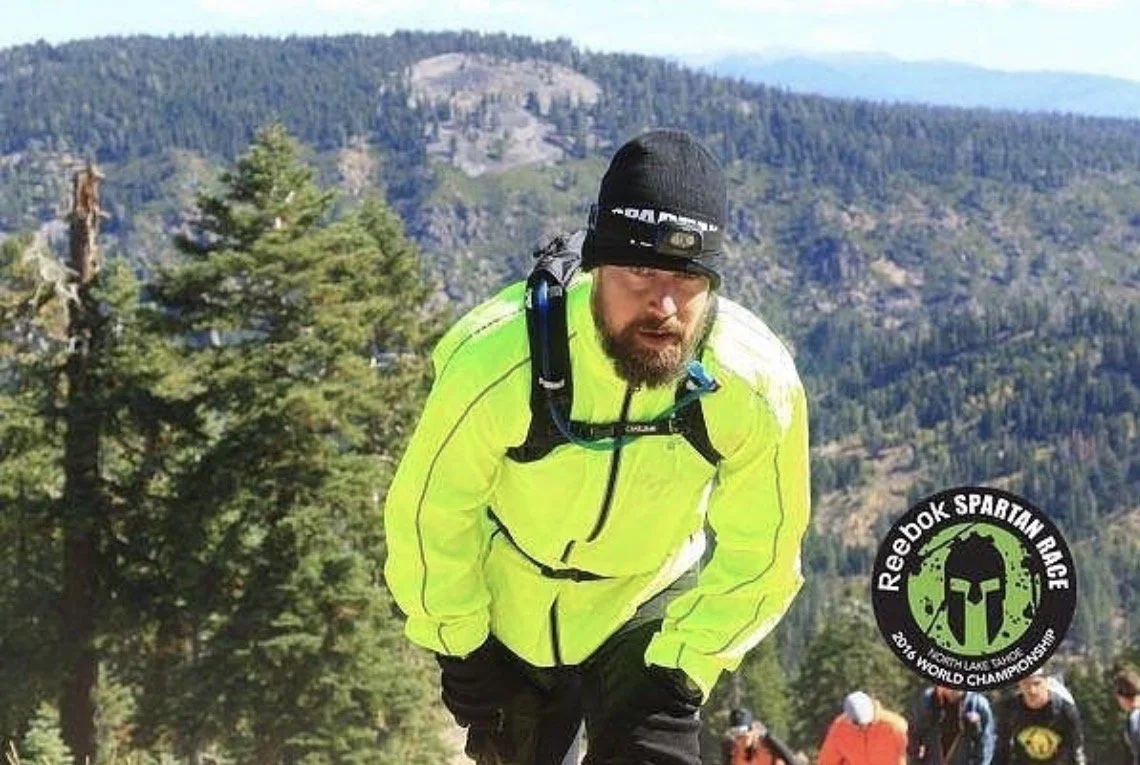
ALTITUDE ACCLIMATION AND OCR: WHY TRAINING AT ELEVATION MATTERS
If you’ve ever traveled from sea level to race in Colorado, Utah, Montana, or anywhere in the mountains, you’ve probably experienced it.
Your legs feel fine.
Your fitness feels fine.
But your lungs suddenly feel like they’ve never worked a day in their life.
Welcome to altitude.
For obstacle course racers, endurance athletes, and hybrid competitors, altitude is one of the most misunderstood aspects of training and racing. Many athletes assume they can simply show up, rely on their normal fitness, and perform at the same level they do back home.
Unfortunately, altitude doesn’t care how fit you are.
What Happens at Altitude?
As elevation increases, the amount of oxygen available to your body decreases.
The percentage of oxygen in the air remains the same, but the air pressure drops, making it harder for your body to absorb the oxygen it needs to fuel working muscles.
The result?
Increased heart rate
Faster breathing
Reduced power output
Slower recovery
Earlier fatigue
For OCR athletes, this can be devastating.
A carry that feels manageable at sea level suddenly becomes overwhelming.
A moderate climb turns into a sufferfest.
Obstacles that normally require minimal effort become significantly more difficult because you’re attempting them while your body is desperately trying to recover.
OCR Is Already an Oxygen-Intensive Sport
Unlike traditional road racing, OCR rarely allows athletes to settle into a comfortable rhythm.
One moment you’re running.
The next you’re carrying a bucket.
Then you’re climbing a rope.
Then crawling under barbed wire.
Then hanging from a rig while your heart rate is through the roof.
OCR constantly demands that athletes switch between cardiovascular effort and upper-body strength.
At altitude, those transitions become even more challenging.
The athlete who can manage their breathing, recover efficiently, and maintain composure often outperforms athletes who may actually be stronger or faster.
How Long Does Altitude Acclimation Take?
The answer depends on the athlete, but generally:
24–72 hours: Initial adaptation begins.
1–2 weeks: Most athletes start feeling significantly better.
3–4 weeks: Noticeable improvements in performance.
Several months: Full adaptation for many athletes.
This is why athletes who live and train at elevation often possess an advantage when competing in mountain races.
Their bodies have already learned to operate with less oxygen available.
The Mistake Many OCR Athletes Make
Many athletes respond to altitude by trying to push harder.
That’s usually the wrong answer.
Instead, successful altitude training often requires patience.
You may need to:
Slow down your running pace.
Accept lower power outputs.
Increase recovery time.
Focus on breathing efficiency.
Stay hydrated.
Prioritize consistency over intensity.
The athletes who respect altitude usually adapt faster than those who try to fight it.
Why OCR Training at Elevation Can Be Valuable
Training at elevation forces athletes to become more efficient.
You learn to:
Pace yourself properly.
Control your breathing.
Recover under stress.
Manage effort over long periods.
Maintain obstacle proficiency while fatigued.
These skills transfer directly to race day.
Whether you’re racing Spartan, Savage Race, Frontline OCR, or any other obstacle event, efficiency matters.
The athlete who wastes less energy often beats the athlete with superior fitness.
The HartFit Advantage
At HartFit ELEVATE OCR in Peyton, Colorado, athletes train in an environment where altitude is simply part of the experience.
There are no climate-controlled walls separating you from reality.
You train outside.
You deal with the wind.
You deal with the terrain.
You deal with the elevation.
And over time, your body adapts.
The goal isn’t simply to survive race day.
The goal is to arrive prepared for whatever race day throws at you.
Because obstacle course racing was never meant to happen under perfect conditions.
It happens in the elements.
It happens when you’re tired.
It happens when you’re uncomfortable.
And sometimes, it happens when there’s less oxygen available than you’re used to.
That’s exactly why we train for it.
HartFit ELEVATE OCR offers obstacle course racing, hybrid fitness, endurance training, and youth OCR programs in Peyton and the Colorado Springs area. Whether you’re preparing for your first race or your next podium attempt, our goal is simple: build athletes who are capable when conditions aren’t perfect.
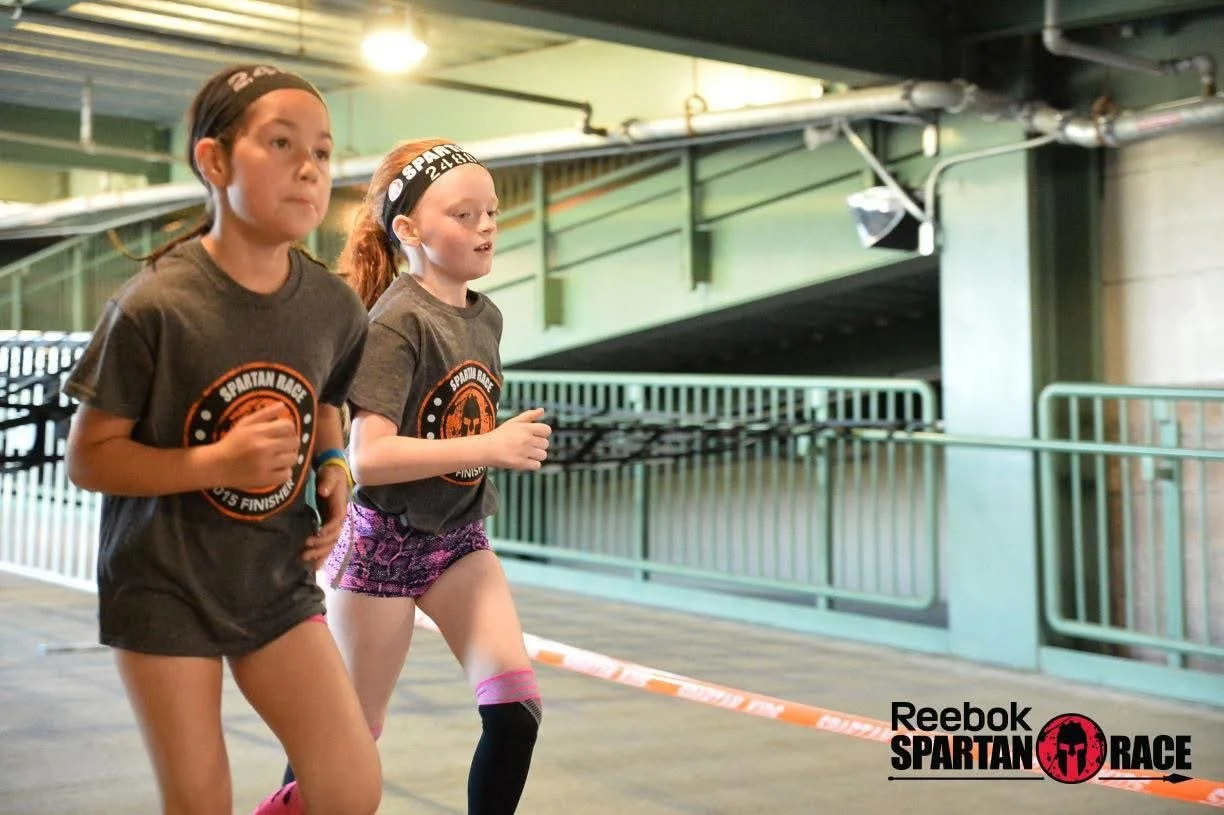
WHY OBSTACLE COURSE RACING IS ONE OF THE BEST ACTIVITIES FOR KIDS
In a world where childhood has become increasingly sedentary, finding activities that challenge kids physically, mentally, and emotionally has never been more important.
That’s exactly why Obstacle Course Racing (OCR) has become one of the fastest-growing youth sports in the world.
At HartFit ELEVATE OCR, we believe obstacle course training offers children something that many traditional sports simply cannot: the opportunity to develop complete athleticism while building confidence, resilience, and problem-solving skills that extend far beyond the course itself.
OCR Develops Real-World Fitness
Most sports specialize in a handful of athletic qualities.
Obstacle course racing develops nearly all of them.
Children participating in OCR training learn to:
Run over varied terrain
Climb ropes and cargo nets
Balance on unstable surfaces
Crawl under obstacles
Carry objects
Jump, hang, swing, and traverse
These movements build:
Strength
Endurance
Coordination
Balance
Agility
Grip strength
Cardiovascular fitness
Instead of becoming good at one movement pattern, kids become better athletes overall.
OCR Teaches Problem Solving
Every obstacle presents a challenge.
How do I get over this wall?
How do I cross these monkey bars?
How do I carry this object without dropping it?
Obstacle course racing constantly asks children to think, adapt, and find solutions.
Success isn’t always determined by who is strongest or fastest. Sometimes it’s about creativity, determination, and the willingness to keep trying when something doesn’t work the first time.
These lessons transfer directly into school, sports, and life.
OCR Builds Confidence
One of the greatest things about obstacle course training is that progress is easy to see.
A child who couldn’t hang from a bar for five seconds eventually hangs for thirty.
A child who couldn’t climb a rope eventually reaches the top.
A child who was afraid of a wall eventually conquers it.
Confidence isn’t built through participation trophies.
Confidence is built through accomplishment.
Every obstacle overcome creates evidence that a child is capable of more than they believed.
OCR Teaches Resilience
Life doesn’t always go according to plan.
Neither does OCR.
Kids fall off obstacles.
They miss grips.
They fail attempts.
Then they get back up and try again.
Obstacle course racing teaches one of the most important lessons a young person can learn:
Failure is not the end of the process.
It’s part of the process.
The ability to recover from setbacks is a skill that will serve children long after their athletic careers are over.
OCR Gets Kids Outside
Many children spend far too much time indoors staring at screens.
At HartFit ELEVATE OCR, our athletes train outdoors in the fresh air, dealing with real-world conditions instead of climate-controlled environments.
Sunshine.
Wind.
Rain.
Heat.
Cold.
The environment becomes part of the challenge.
Kids learn adaptability, toughness, and an appreciation for outdoor activity that many modern children are missing.
OCR Is for Every Child
You do not need to be an elite athlete to benefit from obstacle course training.
Our goal isn’t to create professional obstacle racers.
Our goal is to help kids become stronger, healthier, more confident versions of themselves.
Whether your child dreams of competing in Spartan races, wants to improve performance in another sport, or simply needs a positive outlet for energy and fitness, OCR provides an incredible foundation.
Join Our Kids OCR Class
HartFit ELEVATE OCR is proud to offer a dedicated Kids OCR Class every Saturday at our outdoor obstacle course facility in Peyton, Colorado.
Children will learn obstacle techniques, running mechanics, strength development, teamwork, and confidence-building skills in a fun, supportive environment.
Whether they are completely new to fitness or already active in sports, our class helps kids develop the physical and mental tools needed to succeed both on and off the course.
Kids OCR Class
When: Saturdays at 9:30 AM
Where: HartFit ELEVATE OCR
15650 Valdez Circle
Peyton, Colorado 80831
For more information, class registration, and upcoming events, visit:
Because the goal isn’t simply to raise stronger athletes.
It’s to raise stronger kids.
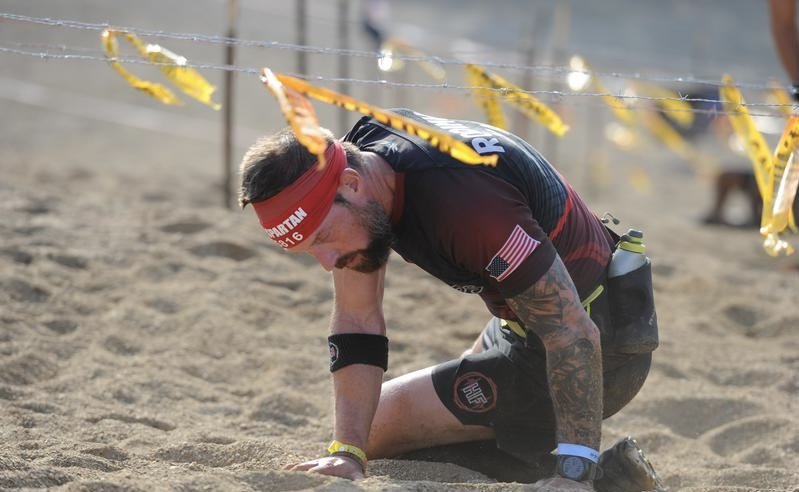
THE 10 MOST COMMON SPARTAN RACE MISTAKES (AND HOW TO AVOID THEM)
Every Spartan Race finisher has made mistakes.
Some cost seconds.
Some cost podium positions.
Some cost athletes the race entirely.
After more than 15 years in obstacle course racing, nine Spartan Ultras, countless Spartan finishes, and years spent coaching athletes of every ability level, I’ve noticed the same mistakes appear over and over again.
If you’re preparing for your next Spartan Race, avoid these ten common errors.
1. Not Running Enough
The biggest mistake in OCR has nothing to do with obstacles.
Spartan Race is primarily a trail running event interrupted by obstacles.
Many athletes spend hours practicing monkey bars and almost no time improving their running.
The result is arriving at every obstacle exhausted.
2. Focusing Only on Grip Strength
Grip strength matters, but technique matters just as much.
Athletes often believe they need stronger hands when what they really need is better body positioning, improved efficiency, and smoother movement through obstacles.
3. Ignoring Carries
Bucket carries, sandbags, Atlas carries, and other loaded movements routinely destroy race performances.
Most athletes don’t practice them nearly enough.
If you want to improve your Spartan results, start carrying heavy things.
4. Starting Too Fast
The excitement of race day causes countless athletes to burn themselves out during the first mile.
A pace that feels easy at the start can become disastrous later in the race.
Be patient.
Spartan rewards athletes who finish strong.
5. Neglecting Strength Training
Running is critical, but so is strength.
Pulling, climbing, crawling, lifting, and carrying all require a foundation of strength that many runners overlook.
The strongest Spartan athletes are rarely specialists.
They’re well-rounded.
6. Training Obstacles While Fresh
Completing an obstacle in a gym is one thing.
Completing it after miles of running, climbing hills, and carrying weight is another.
Your obstacle training should include fatigue whenever possible.
7. Wearing Untested Gear
Race day is not the time to experiment.
New shoes, socks, hydration packs, or clothing can quickly turn a good race into a miserable experience.
Nothing new on race day.
8. Ignoring Nutrition and Hydration
As race distances increase, fueling becomes more important.
A Sprint may forgive poor nutrition.
A Beast or Ultra usually won’t.
Practice your nutrition strategy before race day.
9. Avoiding Your Weaknesses
Most athletes spend their training time doing things they’re already good at.
Unfortunately, races expose weaknesses, not strengths.
The fastest way to improve is to attack the areas you avoid.
10. Forgetting the Purpose
Spartan Race was never designed to be easy.
The obstacles, hills, weather, mud, and discomfort are the point.
Athletes who enjoy the process and embrace the challenge tend to stay in the sport longer and perform better than those focused solely on results.
Final Thoughts
There is no secret workout that guarantees Spartan success.
The athletes who consistently improve focus on the fundamentals.
They run.
They carry.
They climb.
They train outside.
And they address weaknesses instead of avoiding them.
At HartFit ELEVATE OCR, we believe obstacle course racing should build more than fitness. It should build capable humans who can handle adversity both on and off the course.
Master the basics, avoid these common mistakes, and your next Spartan Race will likely go much better than your last.
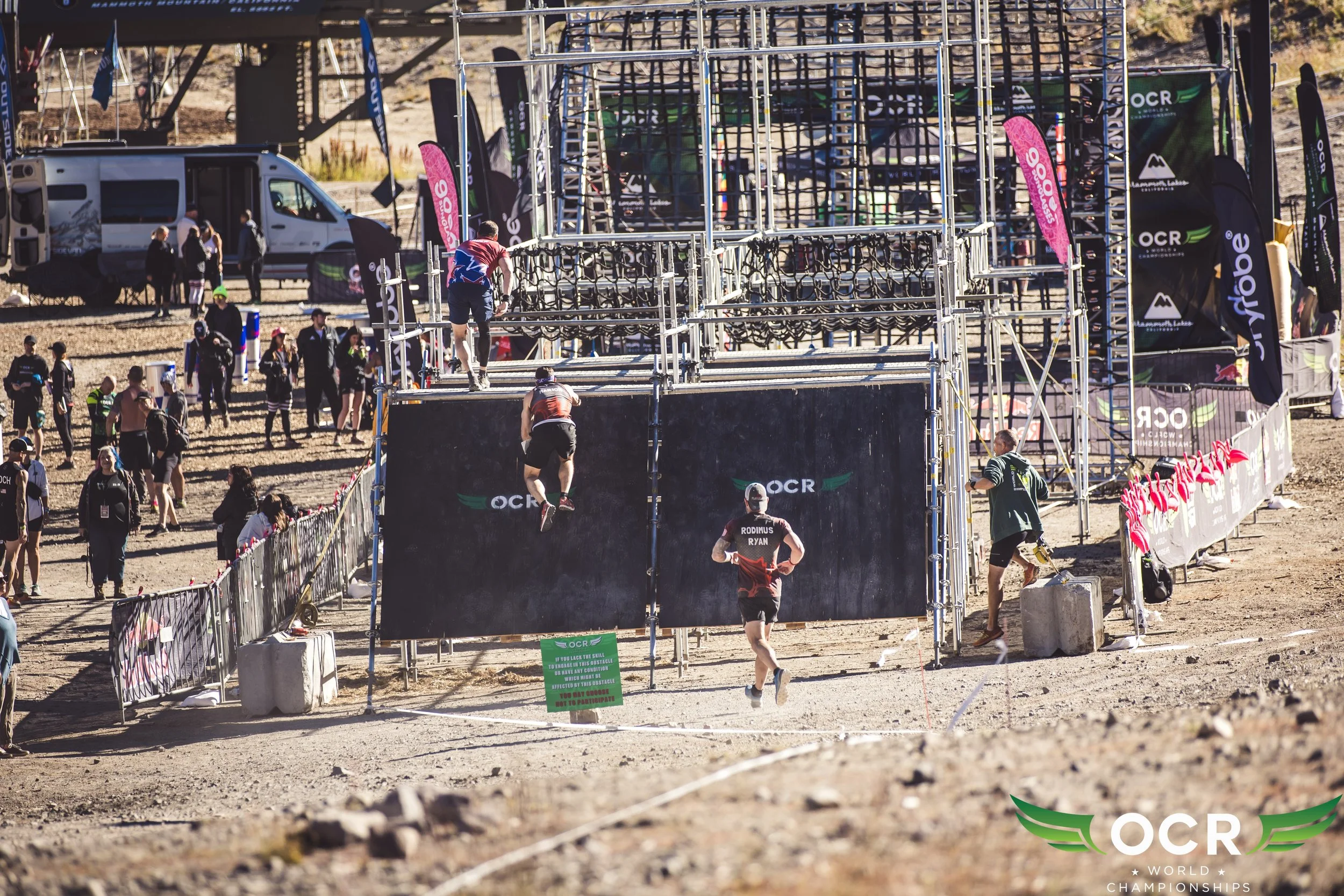
OCR GYM VS. NINJA GYM: UNDERSTANDING THE DIFFERENCE
One of the questions we hear quite often is:
“What’s the difference between an OCR gym and a ninja gym?”
The answer is simple.
Neither is better than the other.
They’re just built for different goals.
If your goal is to compete in Ninja Warrior-style competitions, a quality ninja gym is exactly where you should be. The athletes are incredibly skilled, the movements are highly technical, and the level of grip strength, body control, and obstacle proficiency required at the highest levels is nothing short of impressive.
But obstacle course racing is a different sport.
The mistake many athletes make is assuming that because OCR contains obstacles, obstacle training is all that matters.
In reality, obstacles are only one piece of the equation.
OCRWC and OCR World Championships have distances from 3k to 15k beyond the initial 100 and 400 Meter formats.
Savage Race, The Midwest OCR, Frontline OCR, and a plethora of other races are 6 miles.
A Spartan Beast can cover 13 miles.
An Ultra can exceed 30 miles and World’s Toughest Mudder is a 24 hour event where athletes average 50-70 miles, with the absolute elite even crossing the 100 mile mark.
Even our original Illinois location hosted 12 and 6 hour events where athletes would endure not only more mileage than most of OCR’s typical offerings, but require those athletes to encounter and overcome more obstacles than any of the big box offerings could come even remotely close too in that same time frame.
And when we say obstacles, we especially mean long, grip intensive rigs that increased in difficulty as the event went on.
Even shorter OCR events often involve significant amounts of running, climbing, carrying, hiking, crawling, and moving through difficult terrain long before an athlete ever reaches an obstacle.
That’s where OCR-specific training begins to separate itself.
A successful OCR athlete doesn’t simply need to complete obstacles.
They need to arrive at those obstacles already fatigued and still perform.
They need the aerobic engine to run for hours.
The strength to carry buckets, sandbags, wreck bags, logs, and other awkward loads.
The durability to move over uneven terrain.
The grip endurance to hang onto obstacles after miles of climbing and descending.
And perhaps most importantly, they need the ability to transition seamlessly between all of those demands.
That requires a different style of programming.
At HartFit ELEVATE OCR, obstacles are not isolated skills.
They’re integrated into the workout the same way they appear in competition.
Athletes may run before an obstacle.
Carry before an obstacle.
Perform strength work before an obstacle.
Or complete multiple obstacles while already under fatigue.
Because that’s what racing actually looks like.
Our goal isn’t to create the athlete who can conquer an obstacle while fresh.
Our goal is to create the athlete who can conquer that same obstacle after several miles of running, carrying, climbing, and working.
That’s why experience matters.
For over a decade we’ve coached athletes competing in Spartan, Savage Race, Frontline OCR, Highlander Assault Challenge, OCR World Championships, endurance events, and ultra-distance obstacle races.
We’ve coached beginners who simply wanted to finish.
We’ve coached athletes who stood on podiums.
And we’ve coached athletes who learned that the obstacle itself was never the problem.
The challenge was everything that happened before they got there.
The reality is that most OCR races are won and lost between the obstacles.
The athlete with the biggest obstacle repertoire doesn’t always win.
The athlete who can run efficiently, recover quickly, manage fatigue, carry weight effectively, and still execute obstacles under pressure often does.
That’s why OCR deserves its own training methodology.
Not because ninja training isn’t valuable.
But because obstacle course racing asks different questions.
And the answers require a different approach.
If your goal is Ninja, train for Ninja.
If your goal is OCR, train like an OCR athlete.
The difference matters.
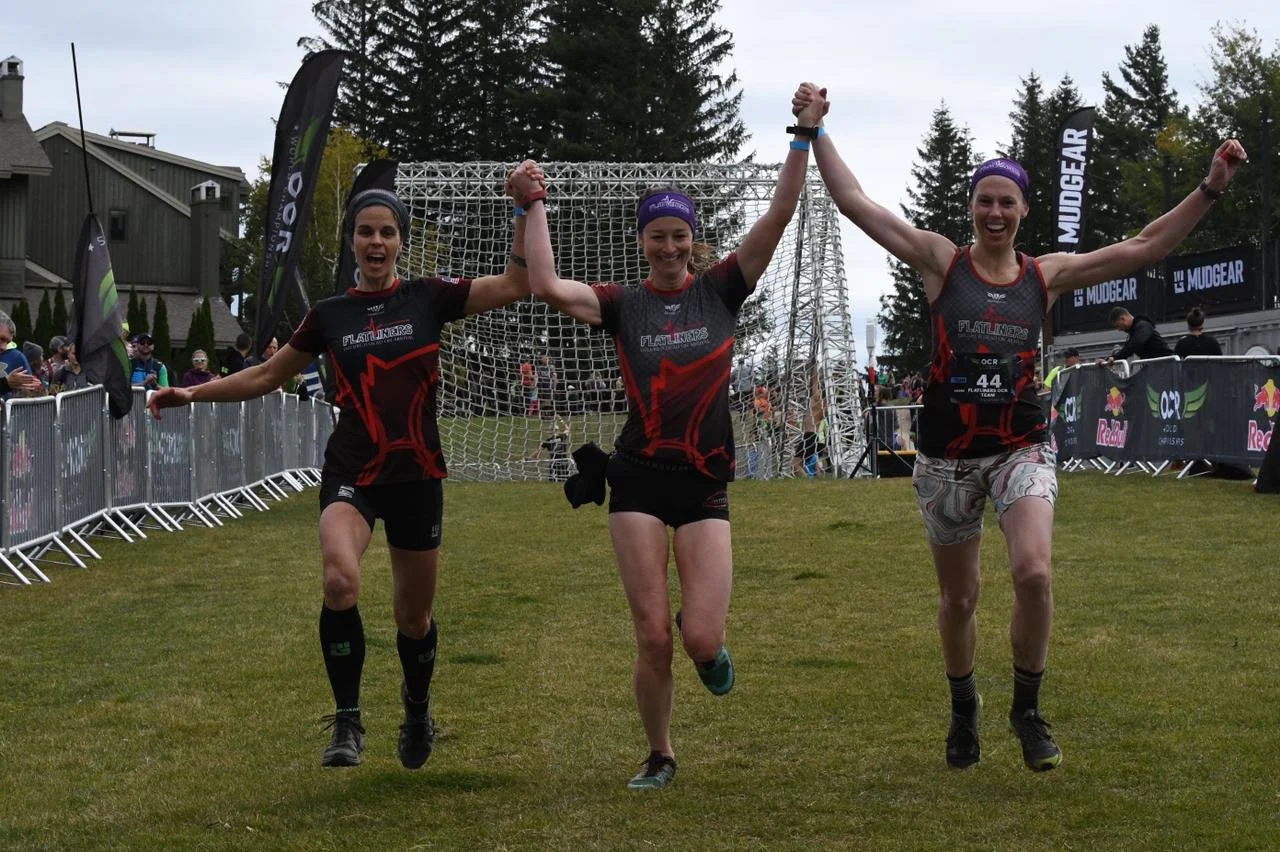
THE GREATEST MOMENT IN FLATliners HISTORY
The greatest moment in FLATliners history wasn’t an individual accomplishment.
It was the day the culture and the methodology that we had lived by made a stand against those who refused to give those dedicated to it their due credit.
It was a day where people who were overlooked, undervalued and underestimated followed a statement made earlier in the year at one of the hardest races you’ve never heard of, with a defining punctuation at one that most people have.
It was the day a group of women from a small gym in Illinois stood on the podium at the OCR World Championships alongside some of the biggest names the sport has ever produced.
Third place.
A distant third, according to the results.
But to me, it felt like first.
What most people don’t know is how unlikely many foolishly thought that podium really was.
Over the course of 2019 to 2022, I had heard every version of why our women, weren’t good enough.
Always from another woman, claiming to be leading the parade for the support of women.
Too many unnecessary obstacle combinations and grip training.
Not enough focus on optimized running.
Too much focus on obstacle endurance, overkill for a sport beginning to pull away from challenge and innovation of obstacles.
Too much time spent on things other people considered unnecessary.
Even some athletes who had once been part of what we built eventually were convinced that what we were doing was irrelevant, and silently criticized and ridiculed those still invested in it.
Then came OCRWC 2022.
The Canyon obstacle became the defining moment. An obstacle that was so difficult for many people, OCRWC actually made it easier on the second day of the OCRWC 2021 race weekend, the type of move that would become typical across all brands of the sport as they desperately tried to keep attendance respectable instead of respecting the essence of the sport itself.
But in 2022. it was back to it’s original and more challenging form.
And my girls were ready.
A team that had reached the obstacle ahead of us—and was expected by many to finish ahead of us—watched the race unravel there. The obstacle training that so many people believed we overtrained became the very thing that changed everything.
Because it turns out it doesn’t matter how fast you arrive at an obstacle if you can’t get through it.
Years of technique work.
Years of grip training.
Years of hearing that we focused too much on obstacles.
In a single moment, all of it mattered.
I can still remember watching Rory emerge from Canyon and realizing what was happening as she made her way to Erin and Bea and the course’s final stretch.
The realization that, not only were they going to do it, but they were actually going to do it right in front of some of the people who held them to such low regard.
The realization that years of work, sacrifice, criticism, and doubt were about to culminate in a World Championship podium and that the people who had been most critical, could only stand by helplessly and watch.
I remember standing there with tears in my eyes as they stood proudly upon the podium.
Not because we had won.
But because I knew exactly what those girls had overcome to get there.
I knew the cynicism and the circumstances and the relationships broken because of it, and I actually had a renewed sense of hope that we had accomplished the one feat capable of extinguishing the silent divide that was threatening to destroy everything we had built.
The countless criticisms nobody saw. From one of my girls being accused of “not pushing themselves” to another one who was called “clumsy” and “folds like a lawn chair”.
I knew how many times they had been overlooked or outright denied to be mentioned or promoted, especially by people paid to do exactly that.
And I thought that this accomplishment would be a defining moment in the next era of the FLATliners, fresh off the heels of almost losing everything during the COVID fiasco.
But I also feared what could happen next.
People would diminish it.
They would point out that it was third place in a year post COVID, where attendance numbers were down.
They would compare times.
They would explain why it wasn’t as impressive as it looked.
And those who doubted and resented the girls standing on that podium, would pretend to be excited, supportive and unsurprised.
Because that’s what people do, especially when egos, jealousy, resentment and manipulation are involved.
To this day, and throughout all of the accomplishments of our team over the years, no one truly understand the importance of that day.
Most don’t understand that standing beside legends of the sport wasn’t the accomplishment.
The accomplishment was proving they belonged there.
For one brief moment, the entire world saw what I had been seeing for years.
And then it was over.
Ironically, the accomplishment itself would be followed by a decision that ultimately all but began our undoing and made me question if continuing a team made sense for the gym anymore, as far more influential people had been allowed to unknowingly begin planting the seeds of our demise utilizing some of the very people they did not respect as conduits to their revenge.
Because success doesn’t always strengthen relationships.
Sometimes it exposes cracks that were already there and risks made in desperation of the pursuit of conquering other teams instead of protecting the culture you’d built and the bigger picture I should have been pursuing.
The culture that had produced that accomplishment slowly became something different.
The wound wasn’t just losing athletes as a result of the situation, it was knowing that even our greatest accomplishment failed to prove to the greater community and those we had overcome on that day, that any of it mattered.
The wound was losing them to the very thing I had protected them against and cultivated them to defeat only to watch something I had poured years of my life into become unrecognizable.
Watching the thing I was most proud of slowly transform into a reminder of what had been lost every time I saw that jersey. The kind of torture no one quite understands, until you have no choice but to walk away.
Eventually, the team dissolved.
The gym closed.
The chapter ended.
And yet, when I think about FLATliners, that’s still the image that comes to mind.
Not the ending.
Not the disappointments.
Three women standing on a World Championship podium while many foolishly wondered how they got there.
I knew how they got there.
We all did.
And nobody can ever take that away.
Not the critics.
Not the sport.
Not time nor the gatekeepers who decide what and who is important.
Not even the people who eventually walked away or the ones who already did, undermining an accomplishment they themselves had not achieved.
For one moment, the truth was not spoken but displayed on stage for all to see.
And it became both the pinnacle of our achievements and the beginning of our unfortunate demise.
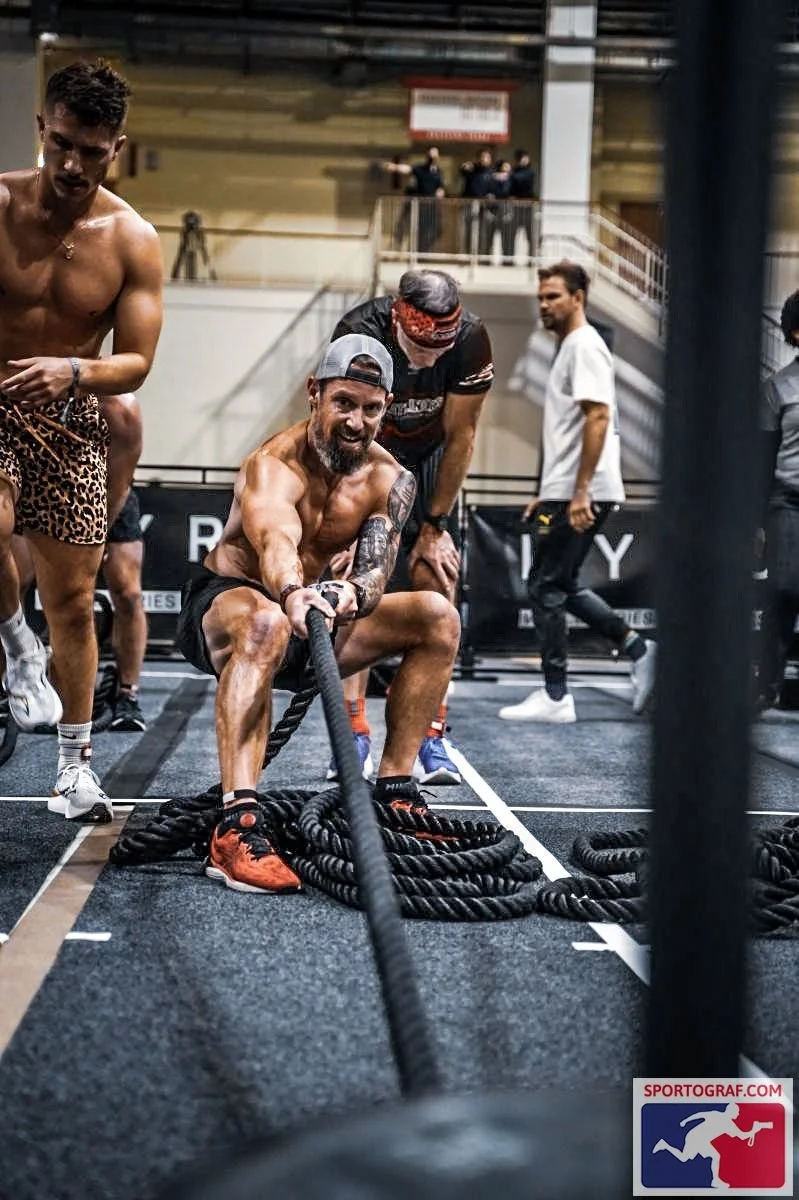
STOP SEPARATING OCR AND HYBRID FITNESS
Somewhere along the way, we started acting like obstacle course racing and hybrid fitness are enemies.
They’re not.
In fact, they’re two halves of the same conversation.
And the obsession with separating them may be one of the biggest mistakes the fitness industry has made in recent years.
OCR Has Always Been More Than Running
When most people think about obstacle course racing, they think about obstacles.
Monkey bars.
Rigs.
Walls.
Rope climbs.
Carries.
And while those things certainly matter, they’re only part of the equation.
The reality is that most obstacles aren’t won or lost because of grip strength.
They’re won or lost because of what happened before you got there.
Your heart rate.
Your breathing.
Your pacing.
Your ability to recover.
Your ability to think while exhausted.
Anyone can hang from a bar when they’re fresh.
Can you do it after a mile-long climb?
Can you do it after a bucket carry?
Can you do it after you’ve been redlining for twenty minutes?
That’s where races are decided.
Not on the obstacle itself.
But on the engine that carried you there.
Technique Matters More Than Strength
One of the biggest misconceptions in OCR is that stronger athletes automatically perform better.
If that were true, every powerlifter would dominate obstacle racing.
They don’t.
Because obstacle proficiency is a skill.
A learned skill.
A practiced skill.
A technical skill.
The best OCR athletes understand leverage, momentum, body positioning, efficiency, timing, and rhythm.
They know how to use their hips instead of their arms.
They know how to conserve grip instead of crushing every hold.
They understand that hanging with straight arms is often better than flexing every muscle possible.
They know how to move through obstacles rather than fight through them.
The athlete who understands technique can often outperform someone significantly stronger.
I’ve seen it countless times.
The strongest person on the course isn’t always the fastest.
The athlete who wastes the least energy usually is.
Hybrid Fitness Builds The Engine
This is where hybrid fitness enters the conversation.
Because while OCR teaches movement skills and obstacle proficiency, hybrid training develops the engine that allows those skills to show up under fatigue.
SkiErgs.
Rowers.
Assault Bikes.
Running.
Carries.
Wall balls.
Functional strength.
Threshold work.
Zone training.
All of it develops the cardiovascular system and muscular endurance necessary to perform when the body wants to quit.
Hybrid fitness creates durability.
It creates resilience.
It creates the ability to keep producing output long after motivation has disappeared.
And that’s exactly what OCR demands.
The Best Athletes Combine Both
The best obstacle racers I’ve coached over the last decade weren’t pure runners.
They weren’t pure strength athletes.
And they weren’t exclusively obstacle specialists.
They blended everything together.
They developed a powerful aerobic engine.
They built functional strength.
They learned efficient movement patterns.
They mastered obstacle technique.
They understood recovery.
They respected pacing.
They became complete athletes.
That’s what OCR was always supposed to create.
Not specialists.
Capable humans.
The Future Isn’t Choosing Sides
One of the strangest developments I’ve watched over the last few years is the growing pressure to choose a side.
You’re either an OCR athlete.
Or you’re a hybrid athlete.
You’re either doing obstacles.
Or you’re doing stations.
You’re either this.
Or that.
Why?
The mountain doesn’t care.
Life doesn’t care.
Reality certainly doesn’t care.
When you have to carry something heavy, move quickly, solve a problem, adapt to changing conditions, and continue despite being uncomfortable, you’re utilizing all of those skills simultaneously.
Just like on an obstacle course.
Just like during a hybrid race.
Just like in life.
The athletes who understand this aren’t trying to separate these disciplines.
They’re combining them.
They’re taking the best parts of both.
They’re building engines and acquiring skills.
Strength and endurance.
Power and efficiency.
Technique and conditioning.
That’s where real capability lives.
Why We Train The Way We Do
At HartFit ELEVATE OCR, we don’t see OCR and hybrid fitness as competing concepts.
We see them as complementary tools.
Obstacles teach movement, adaptability, and problem-solving.
Hybrid training develops the engine that allows those skills to survive fatigue.
Together they create something far more valuable than a race result.
They create capable people.
People who can perform when conditions aren’t ideal.
People who can keep moving when others stop.
People who understand that success is rarely about being the strongest or the fastest.
It’s about being the athlete who can continue producing when everyone else is breaking down.
That’s what obstacle course racing taught us.
That’s what hybrid fitness reinforces.
And it’s a damn shame so many people are trying to separate the two when together they create something far greater than either ever could alone.
THE DAY I LEARNED LIFE DOESN’T CARE.
In January of 1995, I found my friend lying in a snow-covered field.
He had been beaten with baseball bats and left for dead.
I was a kid.
Kids aren’t supposed to see things like that.
They’re not supposed to learn that violence is real. That bad things happen. That life can change forever in a matter of minutes.
But I did.
And while that wasn’t the only difficult thing I’d experience in life, it was one of the first moments that shattered the illusion that life is fair.
For years afterward, I watched people struggle with things that no amount of wishful thinking could fix.
Addiction.
Depression.
Divorce.
Financial hardship.
Loss.
Failure.
Betrayal.
The realization that the people you thought would always be there sometimes aren’t.
The realization that the people who promised they had your back sometimes don’t.
The realization that life doesn’t hand out participation trophies for good intentions.
And eventually, I found myself facing many of those same battles.
The reason HartFit exists isn’t because I wanted to build a gym.
It’s because I became obsessed with a question.
How do you build a person who can withstand life?
Not avoid hardship.
Not hide from it.
Not medicate it away.
Not blame someone else for it.
Withstand it.
Fitness was simply the vehicle.
OCR was simply the vehicle.
The obstacles were never the point.
The point was teaching people that adversity can be practiced.
That discomfort isn’t an emergency.
That challenges don’t disappear because you wish they would.
That confidence isn’t something you’re given. It’s something earned through repeated exposure to difficult things.
Some people misunderstand what we’re doing at HartFit.
They think we’re teaching people how to climb ropes.
Carry sandbags.
Traverse rigs.
Jump walls.
We’re not.
We’re teaching people how to continue moving forward when every part of them wants to stop.
Because that’s what life demands.
Life doesn’t care how motivated you are.
Life doesn’t care how many inspirational quotes you’ve posted.
Life doesn’t care about your excuses.
At some point, every one of us will face something heavier than we think we can carry.
And when that moment arrives, the only thing that matters is who you’ve become before it got there.
That’s why we train outdoors.
That’s why we train in the wind, the cold, the heat, and the uncertainty.
That’s why our classes aren’t designed around comfort.
Because comfort has never prepared anyone for reality.
The unfortunate truth is that many people don’t actually want transformation.
They want relief.
They want validation.
They want to feel better without becoming better.
But becoming unbreakable requires something different.
It requires confronting weakness instead of explaining it away.
It requires accountability instead of excuses.
It requires action instead of endless discussion.
The greatest lesson OCR ever taught me is that every obstacle eventually ends.
The wall gets climbed.
The carry gets dropped.
The race finishes.
But life keeps going.
Which means the real victory was never the obstacle itself.
The victory was becoming the kind of person capable of overcoming it.
That is the purpose of HartFit.
Not to create athletes.
Not to create racers.
Not to create social media content.
To create people who are harder to break than they were yesterday.
People who can face adversity, uncertainty, hardship, and loss and continue moving forward anyway.
Because life doesn’t care.
But you can decide who you’re going to become in response to it.
And that’s a choice worth fighting for.
OCR AND HYBRID FITNESS TRAINING IN COLORADO SPRINGS
And Why HartFit ELEVATE OCR Exists
If you’re looking for another air-conditioned fitness class with music, mirrors, and an instructor counting reps, HartFit ELEVATE OCR probably isn’t for you.
If you’re looking for a place that develops real-world fitness, resilience, obstacle proficiency, endurance, and mental toughness, then it might be exactly what you’ve been searching for.
The truth is that obstacle course racing has changed dramatically over the last decade.
When I ran my first Spartan Race in 2011, OCR attracted military personnel, first responders, endurance athletes, and everyday people who wanted to discover what they were capable of. Success wasn’t measured by a finish time alone. It was measured by perseverance, integrity, and the willingness to confront challenges head-on.
Today, many gyms market “hybrid fitness” or “functional fitness,” but very few offer actual obstacle training.
At HartFit ELEVATE OCR, obstacle proficiency isn’t an afterthought. It’s the foundation.
Located in Peyton, Colorado, just outside Colorado Springs, our outdoor facility allows athletes to train on real obstacles, real terrain, and in real conditions.
That means:
Rope climbs
Rigs and grip obstacles
Walls
Carries
Crawls
Uneven terrain
Endurance challenges
Hybrid fitness stations
Race simulations
Because that’s what athletes will actually encounter on race day.
More Than Just OCR
You don’t have to be an obstacle racer to benefit from OCR training.
OCR develops:
Grip strength
Upper-body endurance
Functional movement
Balance and coordination
Cardiovascular fitness
Mental resilience
Whether your goal is Spartan Race, DEKA, HYROX, trail running, hunting, military preparation, weight loss, or simply becoming more capable, OCR-style training builds attributes that transfer into every aspect of life.
Why We Continue
The obstacle racing community is smaller than it once was.
Some athletes have moved on. Some discovered new sports. Some stopped challenging themselves altogether.
But challenge itself never goes out of style.
The ability to face discomfort, solve problems under fatigue, and keep moving when things get difficult remains just as valuable today as it was when OCR first exploded in popularity.
That’s why HartFit ELEVATE OCR exists.
Not to chase trends.
Not to create the easiest workout.
Not to appeal to everyone.
But to provide a place where people can rebuild capability, discipline, and direction through controlled adversity.
Looking for OCR Training in Colorado Springs?
HartFit ELEVATE OCR offers obstacle course race training, hybrid fitness, DEKA preparation, Spartan Race preparation, endurance coaching, and OCR-specific skill development in Peyton, Colorado.
Whether you’re preparing for your first race or your fiftieth, you’ll find obstacles, coaching, and challenges designed to help you become more capable than you were yesterday.
Because some gyms help you exercise.
We help you overcome things.
The Unfortunate Decline of America Through the Lens of OCR
What exists today relies almost entirely on the honor system inside a culture that increasingly sees honor as optional.
I recently completed the Spartan Ultra in Colorado Springs at Fort Carson, one of Spartan’s Honor Series events.
The irony wasn’t lost on me.
An event designed to honor military service, sacrifice, discipline, accountability, and integrity instead became one of the clearest examples of how far we’ve drifted from those values.
I’ve been running Spartan races since 2011.
I’ve watched the brand evolve from a niche challenge pursued by serious athletes, military personnel, veterans, first responders, and ordinary people looking to test themselves into something very different. Back then, obstacles mattered. Rules mattered. Most importantly, character mattered.
The athletes who showed up weren’t always the fastest, strongest, or most talented.
Many failed obstacles.
Many struggled.
Many spent significant portions of their races completing burpees.
But they completed them.
Not because someone was standing over them with a clipboard, but because they understood the point.
Spartan wasn’t simply about crossing a finish line. It was about discovering who you were when things became difficult.
If you missed a spear throw, you dropped for 30 burpees.
If you failed a wall, you dropped for 30 burpees.
If you couldn’t complete an obstacle, you accepted the consequence.
The lesson wasn’t about physical fitness.
The lesson was about integrity.
Today, those athletes still exist.
Unfortunately, they’re becoming the minority.
At Fort Carson I witnessed countless examples of what has become normalized throughout modern OCR.
Athletes openly using chalk where prohibited.
Athletes taking multiple attempts on obstacles that clearly allow only one.
Athletes skipping obstacles entirely.
Athletes bypassing long, difficult sections of the course, including an uphill barbed wire crawl, while proudly announcing, “We all get the same medal anyway.”
That statement may have been intended as a joke.
I don’t think it was.
I think it perfectly captures the mindset that has infected not just OCR, but much of modern society.
The reward matters.
The effort does not.
The appearance of accomplishment matters.
The accomplishment itself does not.
The rules only matter when they’re convenient.
Accountability only matters when someone is watching.
And if no one is watching, anything goes.
What’s perhaps most disappointing is that Spartan itself appears to be contributing to the problem.
In an effort to remain relevant and attract broader participation, obstacles have become significantly easier than they were a decade ago.
Penalty loops have largely replaced meaningful consequences.
Many obstacles now have little impact whatsoever on race outcomes.
Competitors frequently choose penalty loops without even attempting obstacles. Others skip both and continue racing.
Volunteers, many of whom are unpaid and undertrained, are often placed in impossible positions. Some don’t know the rules. Others don’t care. Others simply don’t want the confrontation.
The result is predictable.
A sport supposedly centered around obstacle completion has become increasingly disconnected from obstacles.
Were burpees perfect?
Absolutely not.
The standards varied.
Execution varied.
Enforcement varied.
They required staffing and oversight.
But they did create something today’s system often fails to create: immediate accountability.
You either completed the consequence or you didn’t.
What exists today relies almost entirely on the honor system inside a culture that increasingly sees honor as optional.
For years, I gave Spartan a pass.
After all, Spartan was never really a pure obstacle racing organization.
At its best, it was a grit company.
A lifestyle company.
A personal development company disguised as a race series.
The obstacles were simply the vehicle.
The true product was self-discovery.
People showed up believing they were capable.
The course showed them otherwise.
Then it challenged them to become better.
That mission mattered.
It changed lives.
But somewhere along the way, in trying to remove barriers to participation, we began removing the very lessons that made participation meaningful.
When failure carries no consequence, success loses value.
When rules become optional, integrity becomes irrelevant.
When everyone receives recognition regardless of effort, eventually effort disappears.
As a Spartan SGX Coach for more than a decade and someone whose livelihood is directly connected to OCR through my gym, I’ve watched this transformation with growing concern.
I’ve offered assistance.
I’ve shared feedback.
I’ve even reached out directly to Joe De Sena over the years.
Like many others who care deeply about the future of this sport, those efforts have largely gone unanswered.
Meanwhile, coaches and facilities that could genuinely help athletes improve are increasingly cut off from reaching the very audience Spartan claims to serve.
The people who still want the challenge.
The people who still want accountability.
The people who still believe obstacles should matter.
Perhaps the most telling moment of the entire race occurred at the spear throw, one of the few obstacles where burpees still remain.
I watched athletes skip their burpees entirely.
Others performed partial repetitions.
Some simply walked away.
Meanwhile, the occasional volunteer would scrutinize the form of one of the few honorable competitors still attempting to complete them correctly.
If that isn’t a perfect metaphor for modern society, I don’t know what is.
The people trying to do the right thing are held to standards.
The people ignoring the standards are often ignored altogether.
What I witnessed at Fort Carson wasn’t merely a race problem.
It was a cultural problem.
OCR was supposed to teach us something about ourselves.
It was supposed to expose weakness, reveal character, and reward perseverance.
Instead, it increasingly reflects a society that wants rewards without sacrifice, recognition without achievement, and outcomes without accountability.
The obstacle course has always been a metaphor.
The walls, carries, climbs, and crawls represent the challenges we face in life.
Some people attack them head-on.
Some people fail and try again.
Some people suffer through the consequence.
And some people look for the shortest route around them.
The frightening part is that the obstacle course never lies.
It reveals who we already are.
If OCR truly is a mirror, then perhaps what concerns me most isn’t the state of Spartan.
It’s what Spartan now reflects about the state of America.
Because the decline of a race series is insignificant.
The decline of integrity is not.
And unlike a failed obstacle, that’s not something we can simply walk around and pretend doesn’t matter.